A Memorandum of Understanding (MOU) seals more than five years of joint work, opening the door to applied research, knowledge exchange, and training of young researchers.
FLAR, represented by CIAT, signed a Memorandum of Understanding (MOU) with the Board of Trustees of the University of Illinois (through its College of Agricultural, Consumer and Environmental Sciences, ACES). The agreement seeks to formalize and promote a strategic collaboration focused on research, education, and knowledge exchange.
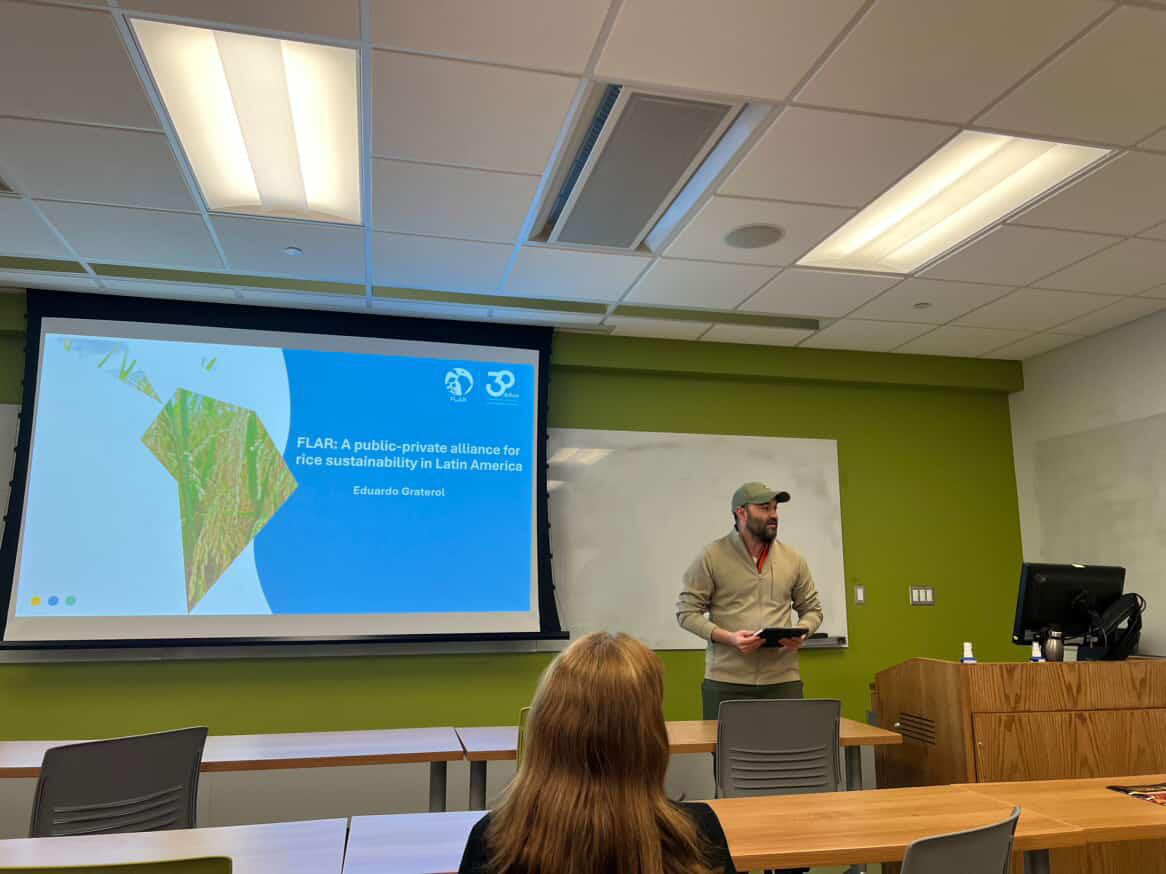
This pact institutionalizes a relationship that has flourished for more than five years. “The collaboration with the University of Illinois is a great opportunity to expand the work we already have, led by Professor Juan David Arbeláez, to conduct research that translates into capacity building and improved rice germplasm for Latin America, employing advanced methodologies,” explained Eduardo Graterol, then Executive Director of FLAR.
From a contact to a strategic alliance
The collaboration between the FLAR rice breeding team and the University of Illinois began organically. Researcher Maribel Cruz recalls that the first step was the genetic characterization of the germplasm from some of FLAR’s observation nurseries (VIOFLAR).
““We started with the study of the VIOFLAR, and with the University’s support, we were able to genotype those lines and analyze the results. Two articles have already emerged from this, and we managed to identify markers that have helped us with selection for amylose content, gelatinization temperature, and other key characteristics,” Cruz noted.
This joint effort has generated not only scientific publications but also applied knowledge, training of master’s students, and the organization of international courses, demonstrating the virtuous nature of this collaboration.
Knowledge exchange as a central pillar
The new MOU establishes a five-year legal framework, focused on the exchange of faculty, students, publications, participation in seminars, and joint research activities.
Professor Juan David Arbeláez of the University of Illinois highlighted the coincidence of missions: “The mission of ACES is to discover, advance, and integrate new knowledge to ensure nutritious and safe food, sustainable agriculture… which is very similar to the Alliance’s objectives in terms of sustainability and food security.”
Arbeláez also emphasized that the collaboration benefits both parties: “We, as a university, have a primary objective to teach and disseminate knowledge… and this collaboration is organic and has a great capacity for transformation.”
New research horizons identified
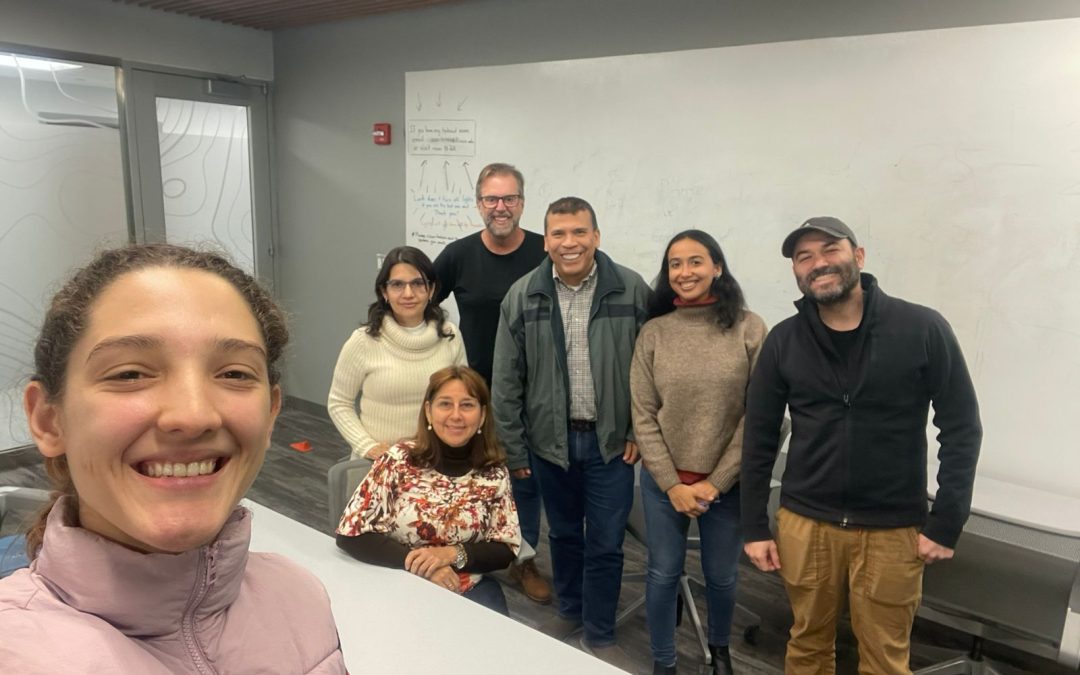
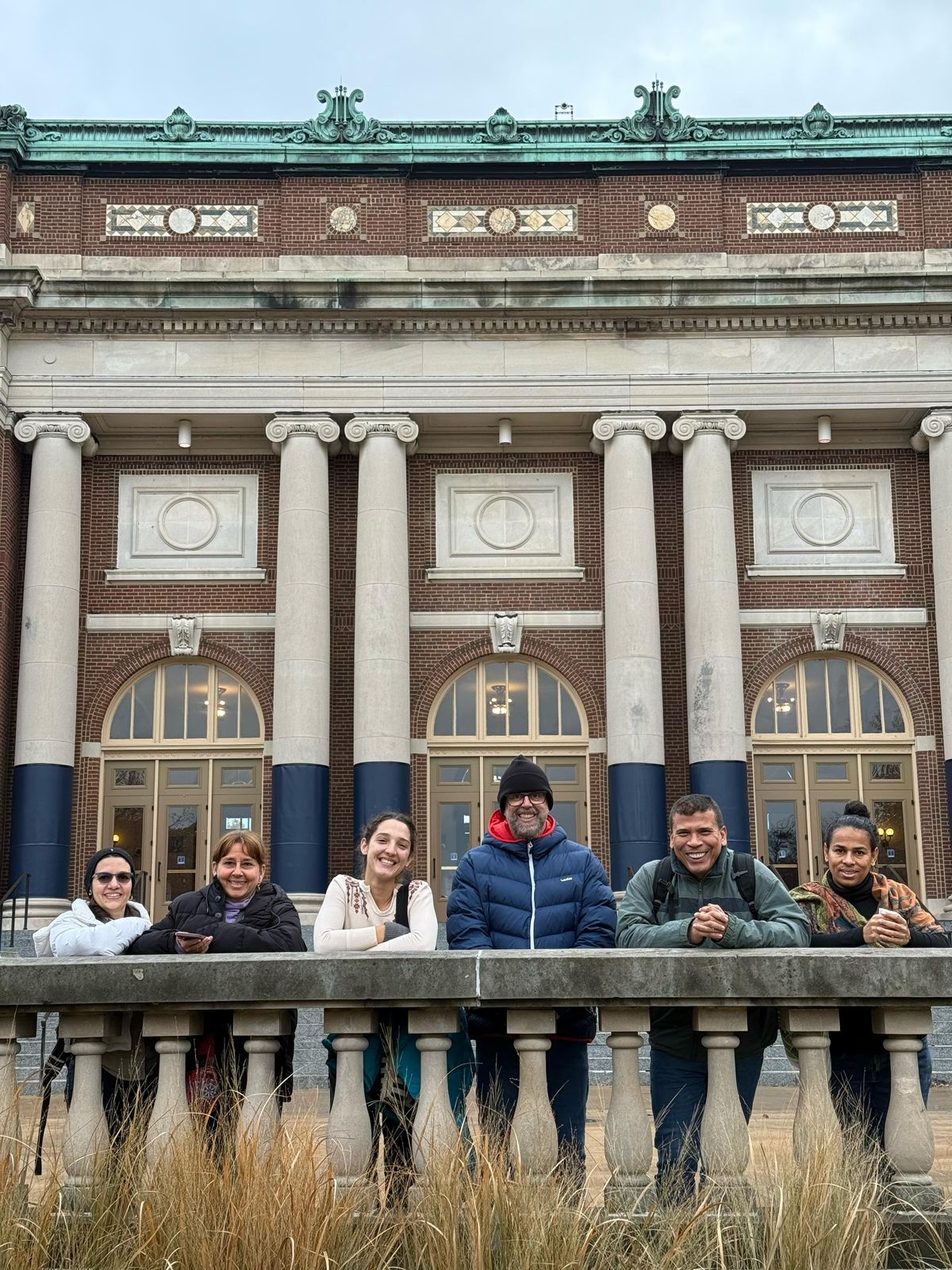
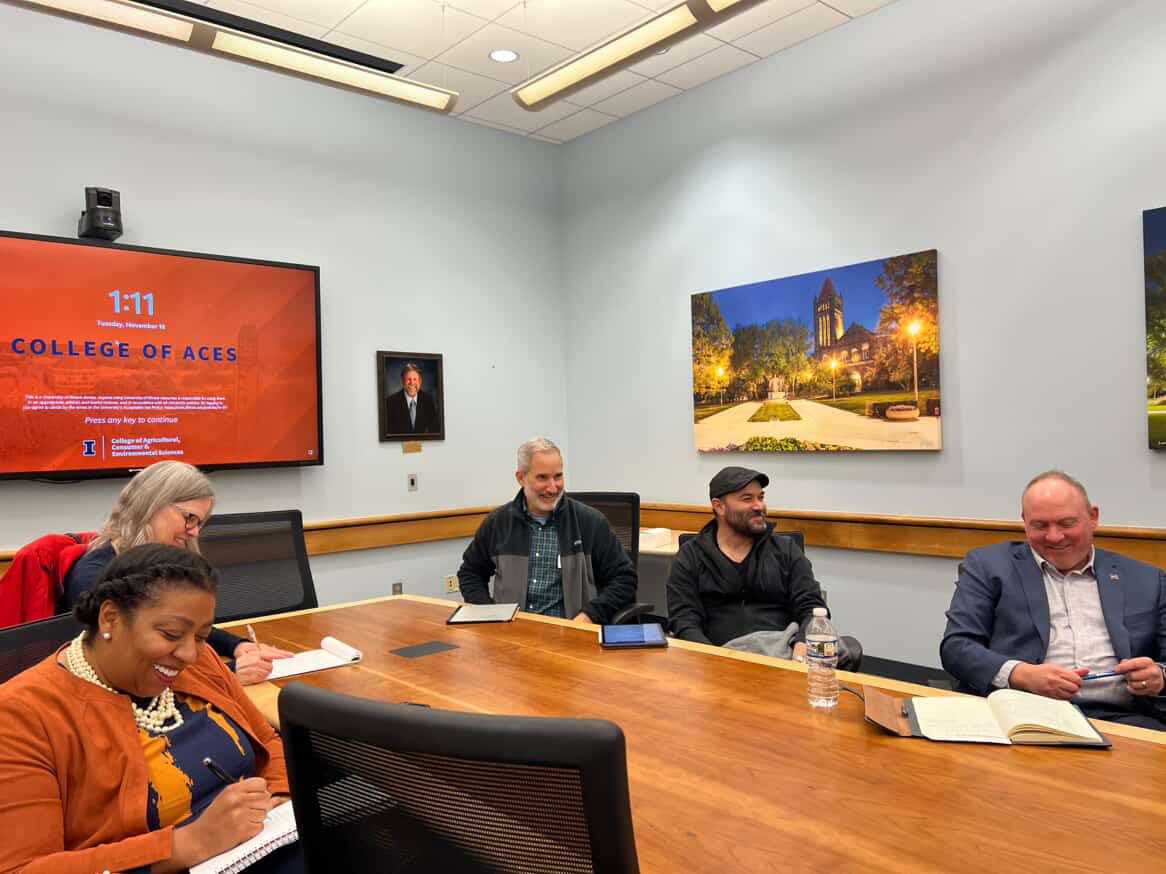
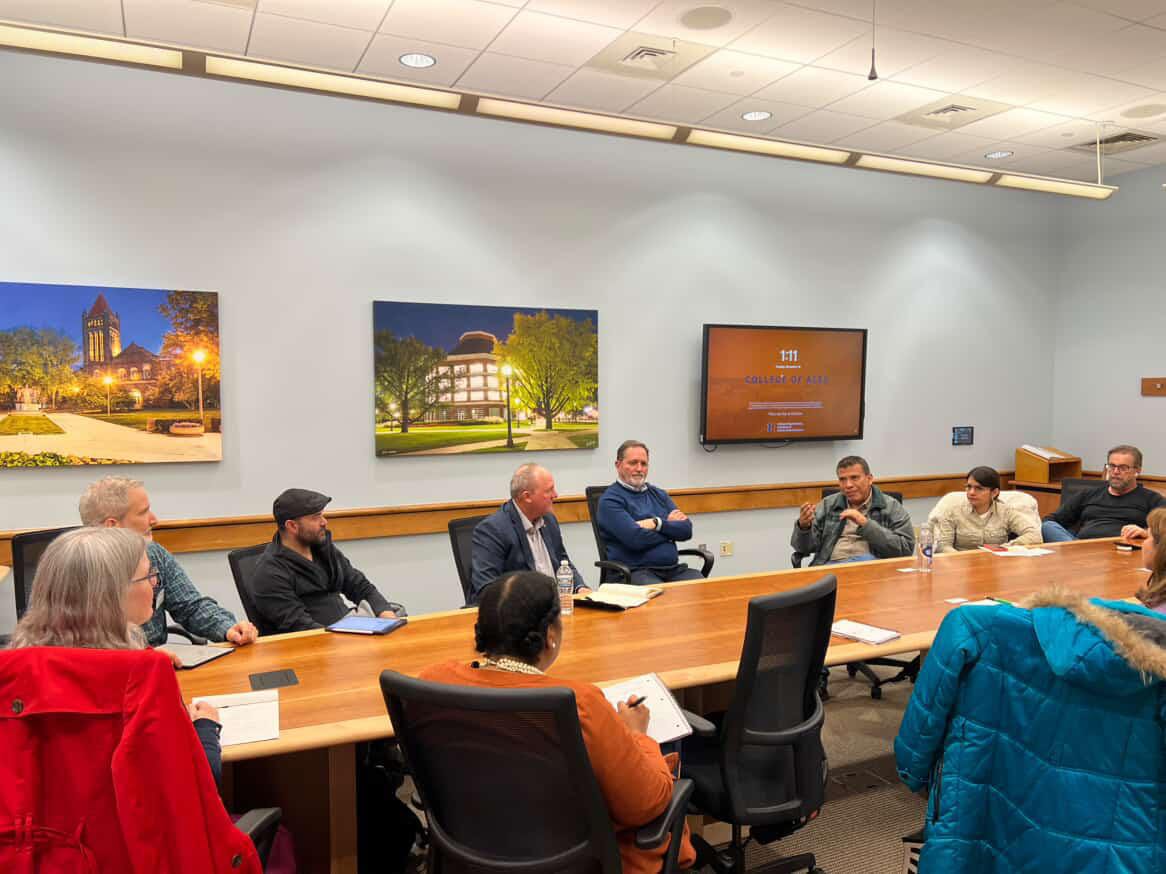
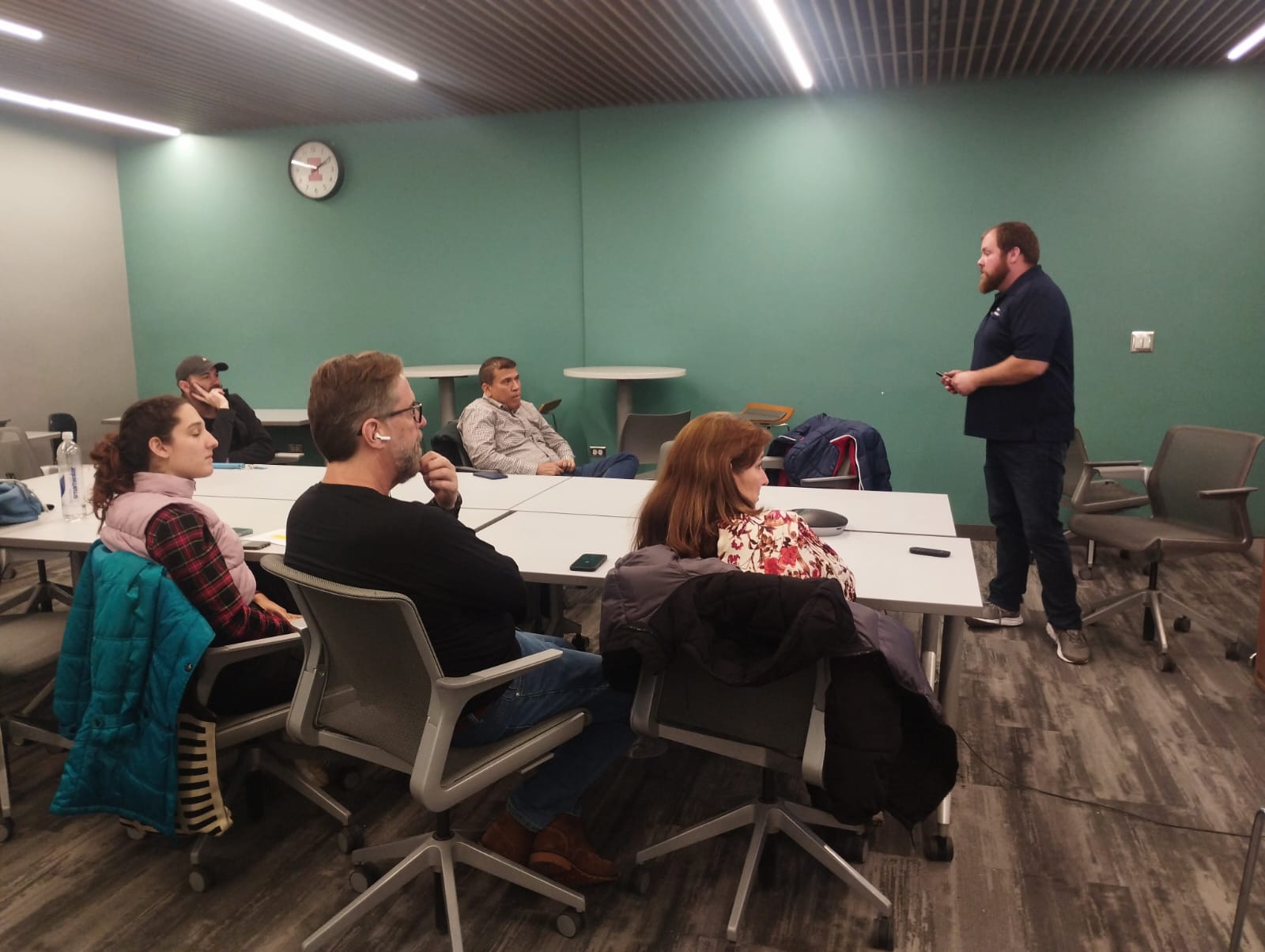
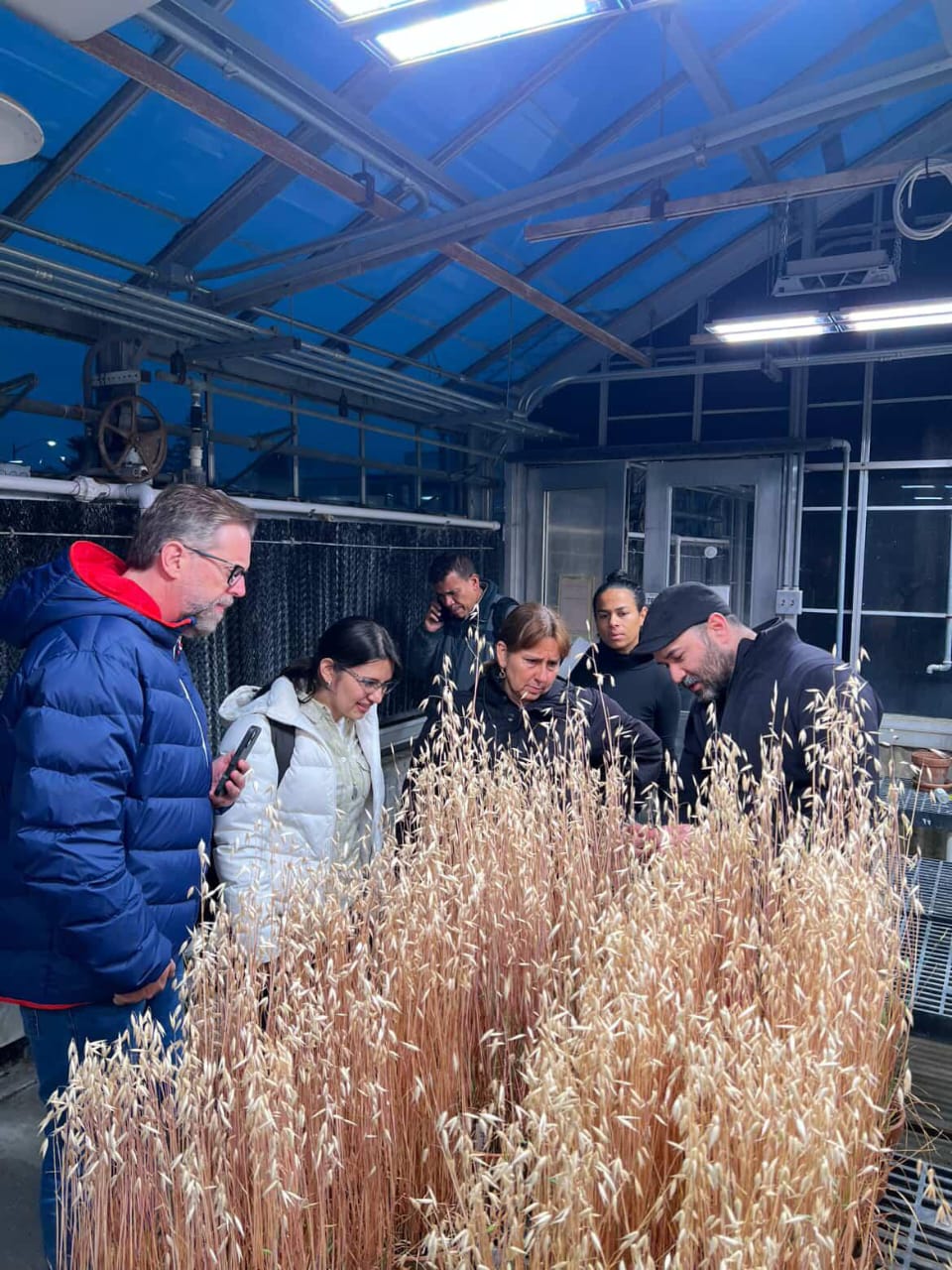
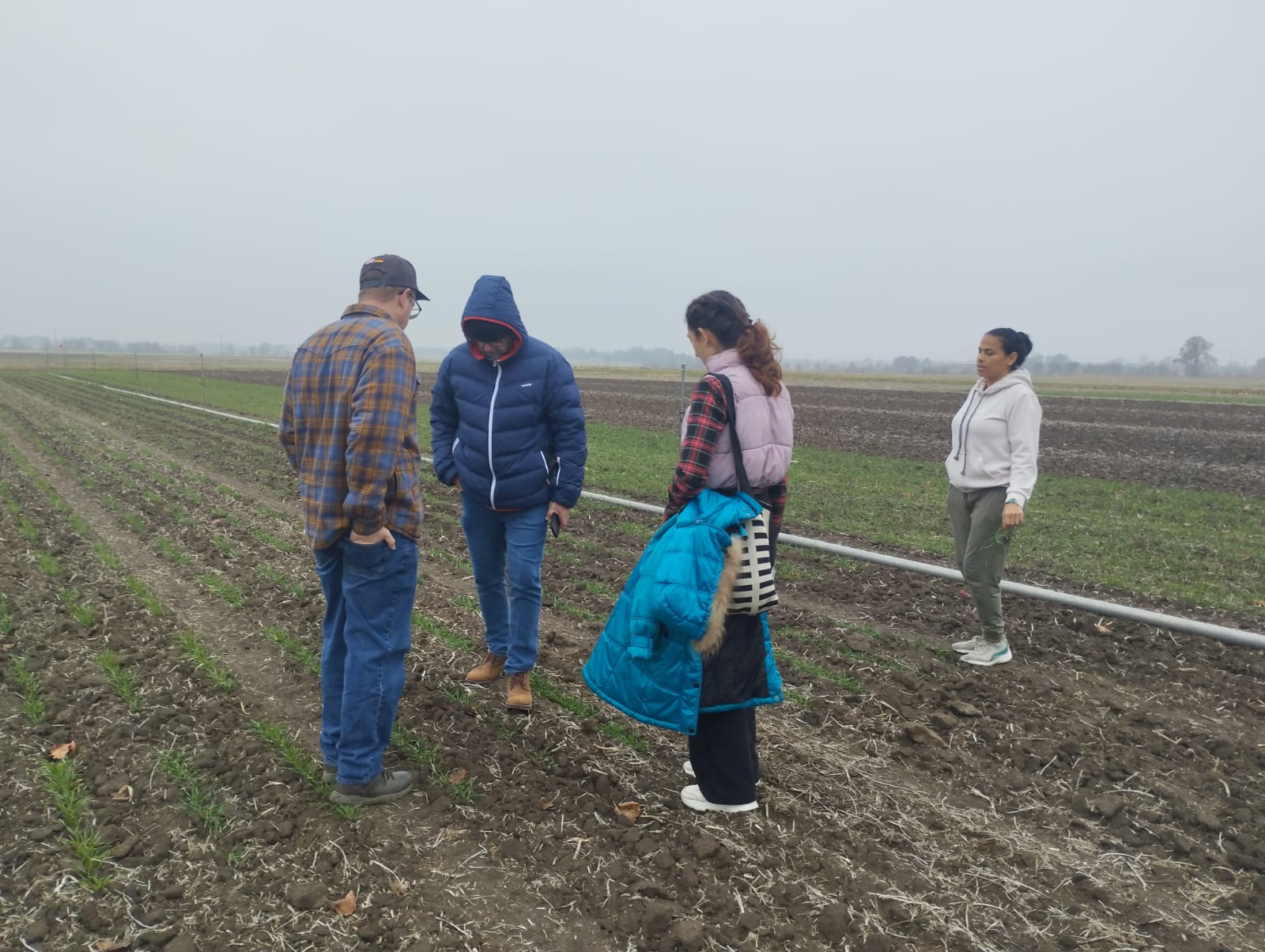
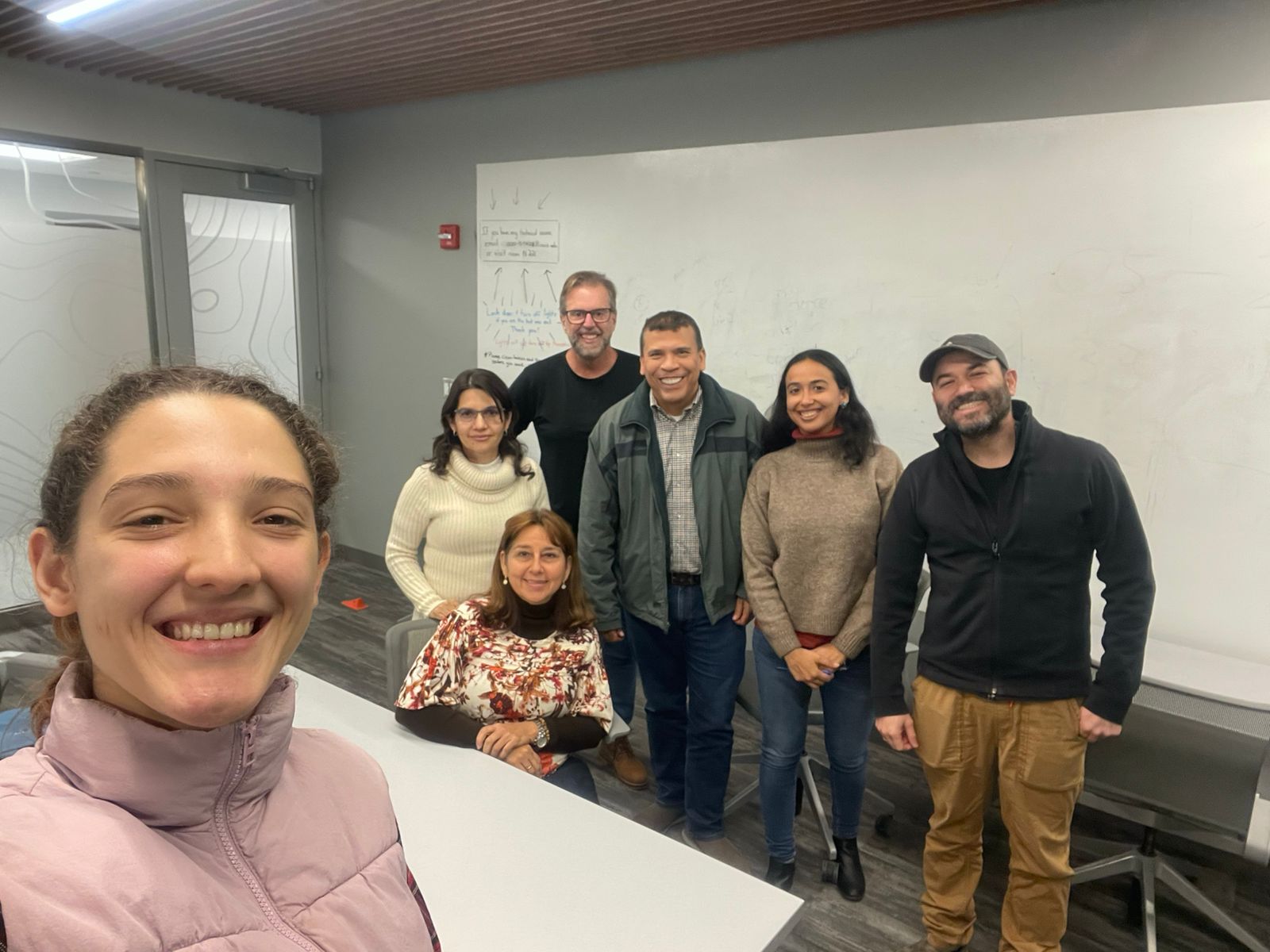
Recently, a team of FLAR researchers led by the then Executive Director of FLAR, Eduardo Graterol, researcher Maribel Cruz, FLAR Rice Quality Lab Coordinator Katerine Loaiza, and Agronomy Program Leader Luciano Carmona, along with Luisa Giraldo, Research Associate at the Alliance, visited the University of Illinois facilities in Urbana-Champaign, United States. The objective was to learn about the different research programs and identify new areas for joint work.
The visit, according to Maribel Cruz, was fruitful:“We learned about other areas we can work on, such as grain quality, cold tolerance, rice white leaf, and Sogata. Plans are already being laid to finalize work on low glycemic index and Rice White Leaf.” ”.
Professor Arbeláez confirmed that the visit connected the FLAR team with researchers in breeding, quality, agronomy, and social sciences, making it possible to identify at least “three or four specific cases where we believe we can start working almost immediately… integrating more molecular tools and high-throughput phenotyping to improve process efficiency.”
With this formal agreement, FLAR, the Alliance of Bioversity International and CIAT, and the University of Illinois reaffirm their commitment to using cutting-edge science to boost rice productivity and sustainability globally.